.png)
Mushrooms That Glow in the Dark Are Real, Here’s Why Some Forests Light Up at Night


At first glance, it sounds like internet fiction. A glowing mushroom in the middle of a dark forest feels like something pulled from a fantasy video game or a sci-fi movie. But glowing mushrooms are very real, and they have fascinated scientists and nature lovers for centuries.
In certain forests, small clusters of fungi can emit a faint green light after sunset. If your eyes adjust, the forest floor may appear softly illuminated, as if tiny lanterns were scattered among fallen leaves and rotting logs.
This strange phenomenon comes from a natural process called bioluminescence. It is the same biological mechanism that makes fireflies glow, deep-sea creatures glow, and certain types of plankton make ocean waves shimmer at night. Some fungi use the exact same strategy.
One of the most well-known glowing mushrooms is Mycena chlorophos, a small species found in humid regions of Asia and the Pacific. In complete darkness, the caps and stems emit a soft green glow that can last for hours.
For people encountering them in the wild, the effect can be surreal. Entire patches of forest can appear to glow faintly after dark. What appears to be supernatural is actually a clever biological adaptation that helps the fungus survive and reproduce.
Why Do Some Mushrooms Glow
The glow comes from a chemical reaction inside the mushroom involving oxygen and a light-producing compound similar to the system used by fireflies.
Scientists believe the light serves a purpose. One leading theory is that the glow attracts insects at night. These insects land on the mushroom and help carry fungal spores to other areas of the forest.
In short, the glow acts as a natural beacon for reproduction. But just how common are these glowing mushrooms, and where can they be found?
How Many Glowing Mushrooms Exist
Glowing fungi are not limited to a single species. Researchers have identified more than 80 species of bioluminescent mushrooms worldwide.
These glowing fungi are most commonly found in humid forests and tropical climates. Countries where they have been documented include Japan, Brazil, Australia, and regions of Southeast Asia.
Some of the best-known glowing fungi include Panellus stipticus and Omphalotus nidiformis, which can sometimes make rotting logs or forest floors appear illuminated at night.
The Phenomenon Known as Foxfire
Centuries ago, people used the term foxfire to describe the eerie green light that sometimes appeared on decaying wood in forests at night. Historically, glowing fungi earned this mysterious name. Scientists understood the biology behind it, but people believed foxfire was mysterious or supernatural. In reality, it was caused by colonies of glowing fungi growing on fallen trees and damp forest debris.
Where You Can See Glowing Mushrooms
Glowing, dense, humid forests provide the easiest viewing for glowing mushrooms. Many sightings take place in tropical environments, where fungi rapidly grow on fallen wood. Some of the most notable glowing mushroom sightings have come from Japan, Brazil, and Australia, where forest patches can appear faintly illuminated at night.
The glow is subtle rather than bright. It is best visible in complete darkness when your eyes have adjusted to low light. Beyond their enchanting appearance, glowing mushrooms continue to intrigue scientists and inspire research.
Why Glowing Mushrooms Fascinate Scientists
BioluminResearchers continue to study bioluminescent fungi. Understanding how these mushrooms produce light may lead to new discoveries in biology and biotechnology.
Scientists are exploring whether fungal bioluminescence could help develop sustainable lighting systems or serve as natural biological markers in scientific research.
A Natural Light Show Hidden in the Forest
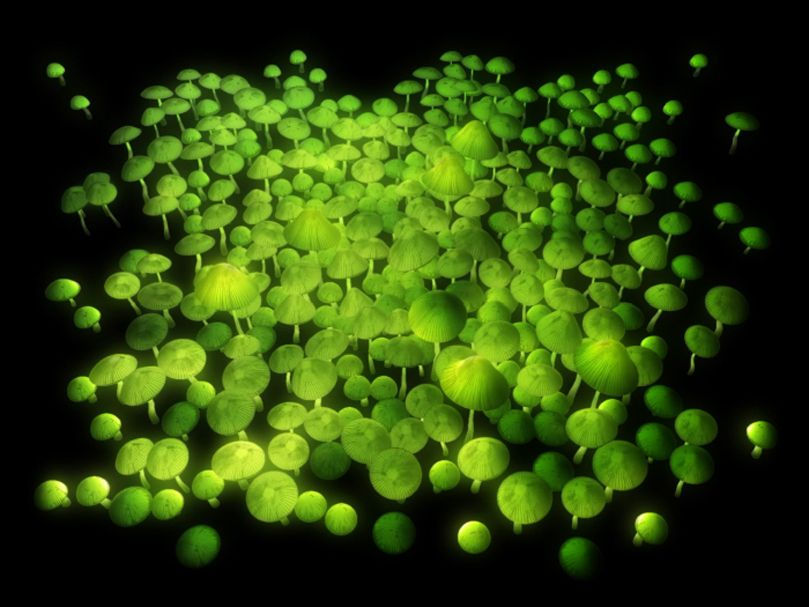
Glowing mushrooms remain one of nature’s strangest phenomena. While their appearance may seem designed for a fantasy world, these mushrooms are simply another example of the surprising ways life evolves naturally.
80 species of glowing fungi have already been discovered, and researchers believe more may still exist in unexplored forests.
For anyone lucky enough to see them in the wild, glowing mushrooms turn an ordinary forest into something that feels almost unreal.


Comments