.png)
Gen Z Just Cost the Alcohol Industry $830 Billion
- Jennifer Gurton
- Feb 19
- 3 min read
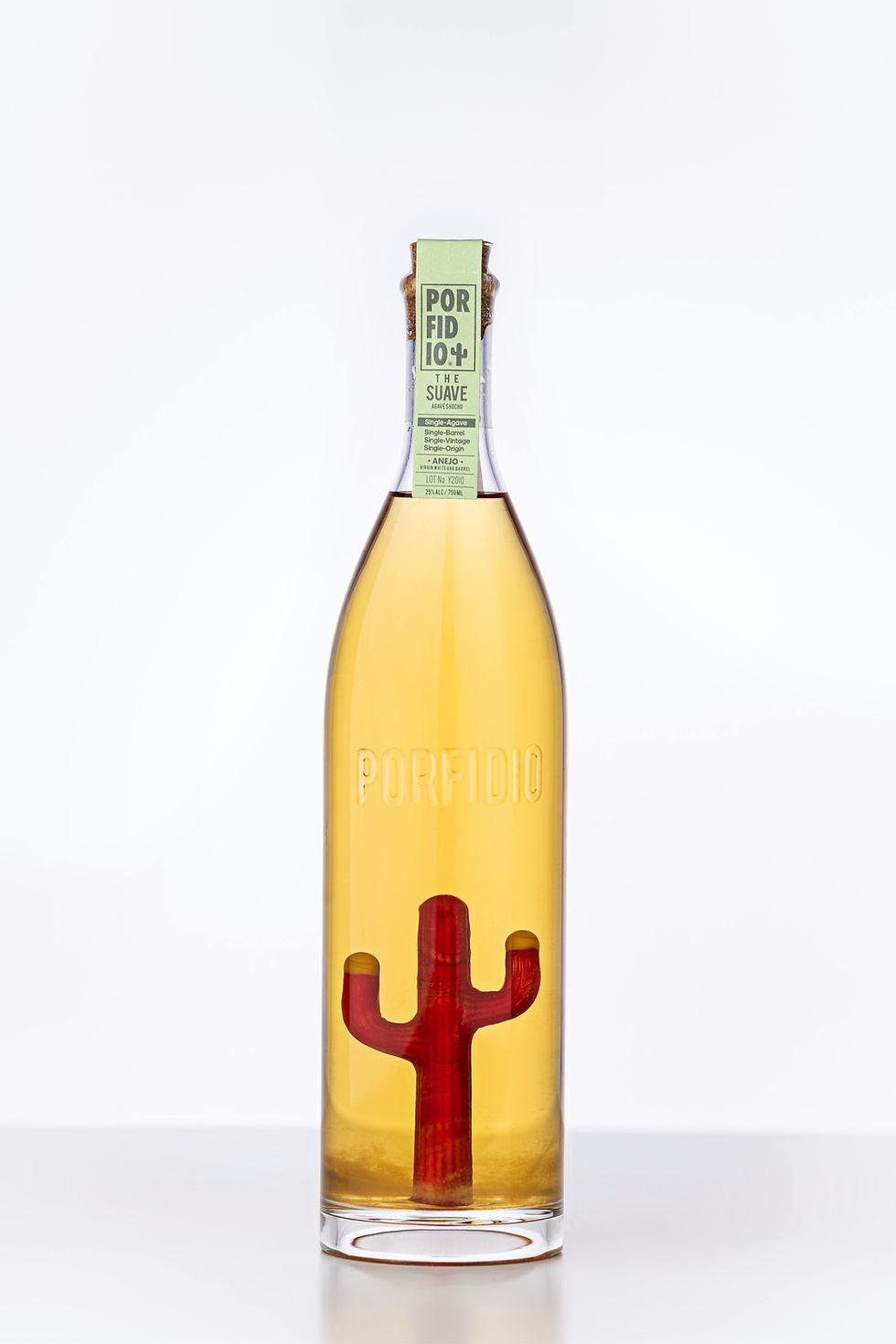
For decades, alcohol was untouchable. It was stitched into culture. Celebrations meant champagne. Stress meant wine. Success meant a top-shelf pour. Entire industries were built around the idea that adulthood and drinking were basically synonyms.
Now that assumption is cracking.
Over the last four years, the global alcohol industry has lost roughly $830 billion in market value. That is not a random fluctuation or a bad earnings cycle. That is a cultural correction. And the common denominator behind it is Gen Z.
This generation is not performing rebellion in the way older generations expect. They are not loudly protesting alcohol. They are just quietly opting out. Less drinking. Fewer bar nights. More intention around what goes into their bodies. And when millions of people shift their habits at once, markets move.
The industry built itself on predictability. You turn 21, you drink. You get stressed, you drink. You celebrate, you drink. Gen Z is interrupting that pipeline.
The Data Is Loud
Younger consumers are drinking significantly less than previous generations did at the same age. In the U.S., alcohol consumption has dropped to some of the lowest levels recorded in modern tracking. Major beer, wine, and spirits companies have seen declining sales growth and shrinking stock values. Investors are paying attention because this is not cyclical behavior.
It is generational.
Gen Z is entering adulthood with a fundamentally different relationship to health and identity. Wellness is not a side hobby. It is integrated into daily life. Sleep matters. Mental clarity matters. Productivity matters. A brutal hangover that wipes out your Saturday is not a flex.
There is also the transparency factor. Social media has made overconsumption less glamorous. Sloppy drunk behavior is not hidden in a bar corner anymore. It lives forever online.
This Is About Values, Not Just Sobriety
It would be easy to label this shift as a “sober movement,” but that misses the point.
Gen Z is not universally anti-alcohol. They are anti-autopilot. They are less likely to drink just because everyone else is. They question marketing narratives. They look at ingredient labels. They compare long-term effects. They weigh tradeoffs.
That kind of consumer is harder to sell to.
Alcohol brands are responding with non-alcoholic lines, wellness-leaning campaigns, and language around balance. But rebranding does not erase decades of messaging that equated drinking with confidence, coolness, and adulthood. When a generation starts valuing clarity over chaos, those campaigns feel outdated.
Where Cannabis Fits In

Cannabis is part of the broader picture, but it is not the entire explanation.
In markets where legalization has expanded, some consumers are choosing cannabis products instead of alcohol in certain social settings. Low-dose edibles and THC beverages are often positioned as alternatives that offer relaxation without the same next-day physical effects.
Still, the bigger story is intention. Whether someone is choosing sobriety, moderation, or cannabis, the through line is control.
Gen Z appears more interested in shaping their experiences than surrendering to them.
This is less about swapping one vice for another and more about redefining what “fun” looks like.
Final Puff
The alcohol industry has survived cultural upheaval before. It has adapted to prohibition, recessions, and shifting demographics. But this moment feels different because it is values-driven.
An $830 billion drop in market value is not subtle. It signals investor anxiety about long-term demand. If younger consumers continue to drink less as they age, the industry cannot rely on them “growing into” heavier consumption patterns the way previous generations did.
Gen Z is not killing alcohol overnight. But they are forcing it to evolve.
And when a generation rewrites the social script around celebration, stress, and identity, entire industries either adjust or fade into the background.
Right now, the message is clear. The default setting has changed.


Comments